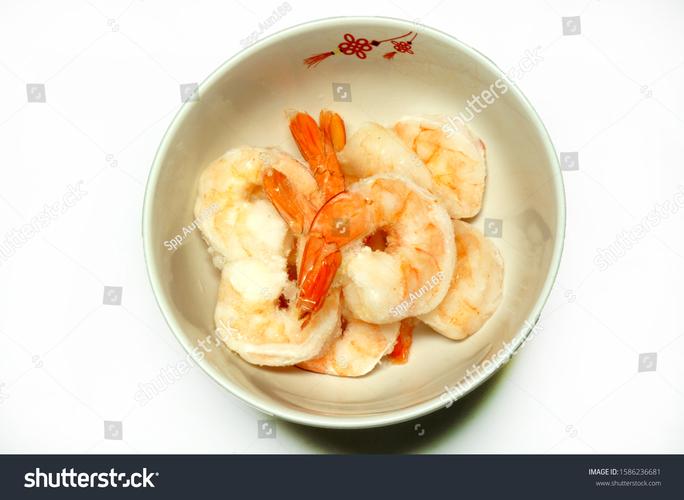
There's nothing quite like the communal joy and burst of flavor that defines a classic shrimp boil. It’s the quintessential summer celebration, evoking images of sun-drenched days, laughter, and an irresistible aroma wafting through the air. More than just a meal, a well-executed shrimp boil is an event – a casual, finger-licking feast that brings people together. While the idea might seem daunting, achieving a masterful shrimp boil at home is surprisingly straightforward, especially when armed with the right knowledge. Forget the guesswork; with a few expert tips on timing, crafting the perfect broth, and knowing how to scale your feast, you can create a memorable culinary experience every time.
The magic of a great shrimp boil recipe lies in its elegant simplicity: a harmonious blend of plump shrimp, sweet corn, tender potatoes, and often savory sausage, all infused with a fragrant, spicy broth. The beauty is that it's big on flavor and surprisingly short on complex prep and arduous cleanup. But to elevate your boil from good to gourmet, understanding the nuanced interplay of ingredients and the precise moments to introduce them is paramount.
Mastering the Broth: The Heart of Your Shrimp Boil Recipe
The foundation of any exceptional shrimp boil is its broth. This isn't just seasoned water; it's the aromatic essence that penetrates every ingredient, transforming simple produce into a symphony of flavors. Think of it as the soul of your entire dish. Many highly-rated shrimp boil recipes, including those from Food Network Kitchen, emphasize the importance of simmering your broth *first* before any other solid ingredients hit the pot.
Crafting a Flavorful Infusion
To create a truly impactful broth, you'll want to combine water with key aromatics and seasonings. Lemons, quartered or halved, are non-negotiable, providing a bright, acidic counterpoint to the richness of the other ingredients. Beyond that, typical pantry staples often include:
- Old Bay Seasoning: This iconic blend is a classic for a reason, offering a distinctive mix of spices that sings with seafood. Its unique profile of celery salt, black pepper, red pepper, and paprika is instantly recognizable and deeply satisfying.
- Other Seasoning Blends: Don't feel limited to just Old Bay. Many regions boast their own distinct seafood blends, from fiery Cajun mixes (like Zatarain's or Tony Chachere's) to more nuanced, herb-forward options. Experiment to find a blend that suits your palate. You can also craft your own by combining black pepper, cayenne, garlic powder, onion powder, and dried thyme.
- Aromatics: Fresh garlic cloves (smashed or minced), quartered onions, and even a few bay leaves can significantly deepen the complexity of your broth.
- Heat: For those who love a kick, consider adding whole dried chilies, fresh jalapeños, or a generous dash of hot sauce to the simmering liquid.
Allowing these elements to simmer together for at least 10-15 minutes before adding any other ingredients is crucial. This step ensures that the flavors have ample time to meld and infuse the liquid, creating a robust, seasoned base that will impart maximum taste to your potatoes, corn, and shrimp. Taste your broth before adding the main ingredients – it should be noticeably salty and flavorful, as the starch from the potatoes and the liquid from the corn and shrimp will dilute it slightly.
Timing is Everything: Achieving Perfectly Cooked Ingredients
The secret to a shrimp boil where every component is cooked to perfection – juicy shrimp, tender-but-not-mushy potatoes, and crisp-tender corn – lies entirely in precise timing. All ingredients need to finish cooking at the same time, which means adding them to the pot in stages, based on their density and cooking speed.
The Staged Approach for Ideal Doneness
- Potatoes First: Dense, starchy potatoes take the longest to cook. Red potatoes or Yukon Golds are excellent choices as they hold their shape well. Add them to the simmering broth first and let them cook until they are nearly tender, about 10-15 minutes, depending on their size. You should be able to easily pierce them with a fork, but they shouldn't be falling apart.
- Corn Follows: Sweet corn on the cob (halved or quartered) cooks relatively quickly. Introduce it to the pot after the potatoes have had a head start, allowing it to cook for about 5-7 minutes. You're looking for bright yellow kernels that are crunchy-tender, not mushy.
- Shrimp Last: This is where many home cooks go wrong, leading to rubbery, overcooked shrimp. Shrimp, especially large, shell-on varieties, cook incredibly fast. Once your potatoes are tender and corn is almost done, it's time for the star of the show.
How Long to Boil Shrimp
Once you've added the shrimp to the vigorously boiling liquid, return it to a boil and cook the shrimp just until they are bright pink and the flesh is opaque (white) all the way through. Overcooking will render them tough and chewy. Here’s a general guideline:
- Large Shell-On Shrimp (21/30 count): Approximately 2 to 3 minutes.
- Extra-Large Shell-On Shrimp (16/20 count): A minute or two longer, around 3 to 4 minutes.
- Peeled Shrimp: These will cook about 30 seconds to a minute more quickly than shell-on shrimp, typically 1.5 to 2.5 minutes.
Food Network Kitchen's test kitchen recommends using shell-on shrimp for boiling. The shells not only add an extra layer of flavor to the broth but also help protect the delicate flesh, promoting more even cooking and preventing them from becoming rubbery. Visual cues are your best friend here: watch for the color change and the curl. As soon as they hit that vibrant pink and opaque stage, they're ready.
Scaling Up Your Shrimp Boil: From Family Dinner to Festive Feast
One of the true beauties of a shrimp boil is how easily adaptable it is to different crowd sizes. A well-designed shrimp boil recipe for four can effortlessly be scaled up to feed a dozen or more, making it perfect for summer parties and large gatherings. However, expanding your guest list requires a few adjustments beyond simply doubling or tripling ingredients.
Essential Considerations for a Crowd
- The Right Pot: This is non-negotiable. While a 10- to 12-quart pasta pot with a built-in strainer is ideal for feeding 4-6, for larger crowds (8+), you'll need a much bigger vessel. Think 20-quart or even 40-quart stockpots, often used with a propane burner outdoors to handle the volume and weight. A built-in strainer or a large insert basket is a godsend for easy lifting and draining.
- Increased Boiling Time: A larger volume of liquid takes significantly longer to come to an initial boil. More importantly, each time you add a new batch of ingredients (potatoes, corn, shrimp), the temperature of the water will drop, and it will take longer to return to a boil. Factor this extra time into your cooking schedule.
- Batch Cooking (Optional but Recommended): For very large gatherings, consider cooking in batches if your pot isn't enormous, or if you want to ensure optimal cooking for each component without overcrowding. You can keep cooked ingredients warm in a cooler (without ice) lined with towels or a low oven.
- Keeping it Warm: Once cooked, transfer the boil ingredients to large serving platters or aluminum foil pans to keep them warm until serving. Covering them tightly helps retain heat and moisture.
Beyond the Pot: Presentation, Serving, and Alternatives
While the act of boiling is central, the presentation and serving style are what truly transform a shrimp boil into an unforgettable event. The goal is casual, hands-on enjoyment.
Impressive & Effortless Presentation
The serving style itself can be a dramatic part of the experience. For a big impact, get out your biggest platter and create an impressive mound of vibrant shrimp, corn, and potatoes. Alternatively, embrace the ultra-casual, traditional approach: cover your outdoor table with newspaper or brown butcher paper, and then simply pour the entire contents of the pot directly onto the center. This encourages guests to dig in, peel their own shrimp, and enjoy the communal aspect. Whichever method you choose, remember that this is finger food through and through. Stock up on extra napkins, or better yet, place a roll of paper towels on the table for easy access!
Accompaniments and Sides
Enhance the experience with simple but essential accompaniments:
- Melted butter (plain or infused with garlic and lemon) for dipping.
- Cocktail sauce, hot sauce, or extra Old Bay for sprinkling.
- Fresh lemon wedges for an extra squeeze of brightness.
- Crusty bread or cornbread for soaking up the delicious juices.
- Coleslaw or a simple green salad for a refreshing contrast.
The Sheet Pan Alternative: Less Fuss, Same Flavor
For those who love the flavors of a shrimp boil but prefer less fuss or don't own a colossal pot, there's a fantastic alternative. The sheet pan shrimp boil offers all the deliciousness with easier prep and cleanup. It typically involves parboiling potatoes and corn, then tossing everything with oil, Old Bay, lemon juice, and butter before baking to perfection in the oven. This method skips the large boiling pot entirely and delivers a deeply caramelized flavor. If you're exploring different ways to enjoy this classic, you might find your easiest shrimp boil recipe in the sheet pan variation.
Essential Gear for Your Best Shrimp Boil Recipe
Having the right tools can make your shrimp boil experience smoother and more enjoyable. While a giant pot is the star, a few other items prove invaluable:
- Large Stockpot: As discussed, size matters. Opt for stainless steel for even heating and durability.
- Strainer Insert or Large Skimmer: Crucial for easily lifting cooked ingredients out of the hot broth without making a mess.
- Long-Handled Tongs: Useful for retrieving errant potatoes or corn and for serving.
- Large Serving Platters/Bowls: For an organized presentation, or just to hold the mountain of delicious food.
- Cooler (for large batches): An excellent way to transport and temporarily hold cooked food, keeping it warm while you finish the last batches.
A perfectly executed shrimp boil is a testament to simple ingredients and smart cooking techniques. By focusing on building a robust broth, respecting the cooking times of each ingredient, and planning for your crowd, you unlock the full potential of this festive meal. Whether you're hosting an intimate gathering or a grand summer feast, these pro tips will ensure your shrimp boil is not just a meal, but a celebrated event, overflowing with flavor and unforgettable memories. So gather your ingredients, fire up that pot, and prepare for a truly delicious experience!
